
READY TO GENERATE
Open Create and test this article's prompt setup.
Use the article as the recipe, compare image output, then turn the best still into video.Quick Answer
GPT image 2 and Nano-Banana-2 can both create strong product photography, but they are useful in different parts of a creator workflow.
- GPT image 2 was stronger for premium campaign impact. It produced glossier lighting, stronger hero-image composition, and a more polished luxury-ad feel.
- Nano-Banana-2 was stronger for practical product inspection. It produced more grounded scenes, highly readable product details, and ecommerce-style layouts that feel easier to use on a product page.
- For creative product lifestyle ads, GPT image 2 created the stronger campaign image, while Nano-Banana-2 felt more natural and cafe-like.
- For skincare product photography, GPT image 2 looked more premium, while Nano-Banana-2 was more useful for ecommerce product pages because the labels and product types were easier to inspect.
- For product images that may appear on websites, ads, or product pages, use fictional brands and avoid real brand references in the prompt.
What This Test Compares
Product photography is one of the most practical uses for AI image generation. A creator may need a clean product hero image for a landing page, a lifestyle ad for social media, a square image for an ecommerce product page, or a first frame for image-to-video.
But "good-looking" is not enough for product images. A usable product image also needs to protect the product shape, label, packaging, material, and brand identity.
This Reemo test compares GPT image 2 and Nano-Banana-2 across two product scenarios:
- A fictional iced coffee lifestyle campaign.
- A fictional skincare product packshot.
Both tests use fictional brands and square 1:1 compositions. The goal is not to find one universal winner. The goal is to understand which model is better for each type of product image.
Test Setup
| Test detail | Value |
|---|---|
| Workflow | Text to image |
| Models tested | GPT image 2 and Nano-Banana-2 |
| Reference image | None |
| Aspect ratio | 1:1 |
| Brand type | Fictional brands only |
| Main evaluation focus | Product realism, label clarity, campaign impact, ecommerce usefulness, brand safety |
The test includes two cases:
| Case | Product type | Fictional brand | What it tests |
|---|---|---|---|
| Case 1 | Iced coffee lifestyle ad | EMBER CAFE | Product lifestyle advertising, human/product interaction, label readability, first-frame potential |
| Case 2 | Skincare product packshot | LUMA SKIN | Product packaging, label consistency, ecommerce usefulness, material realism |
Case 1: Coffee Lifestyle Product Ad
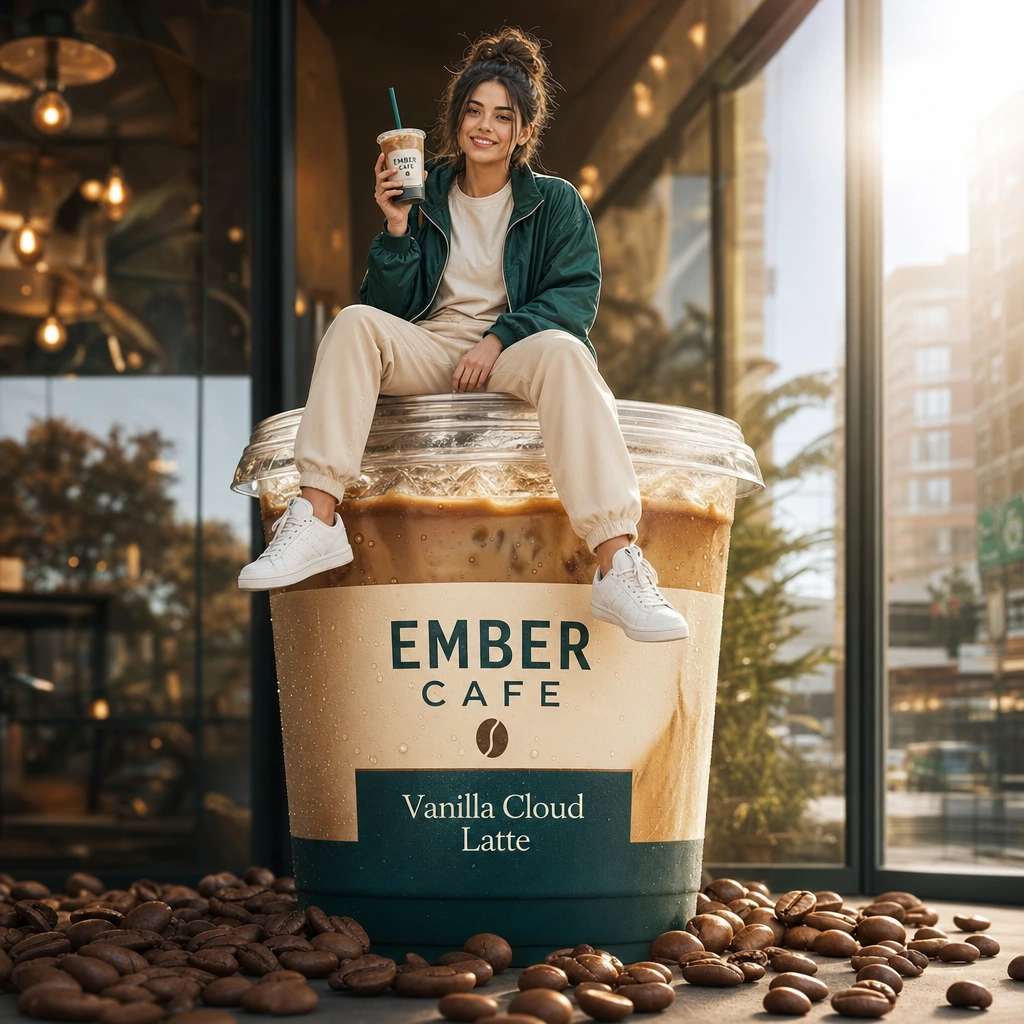
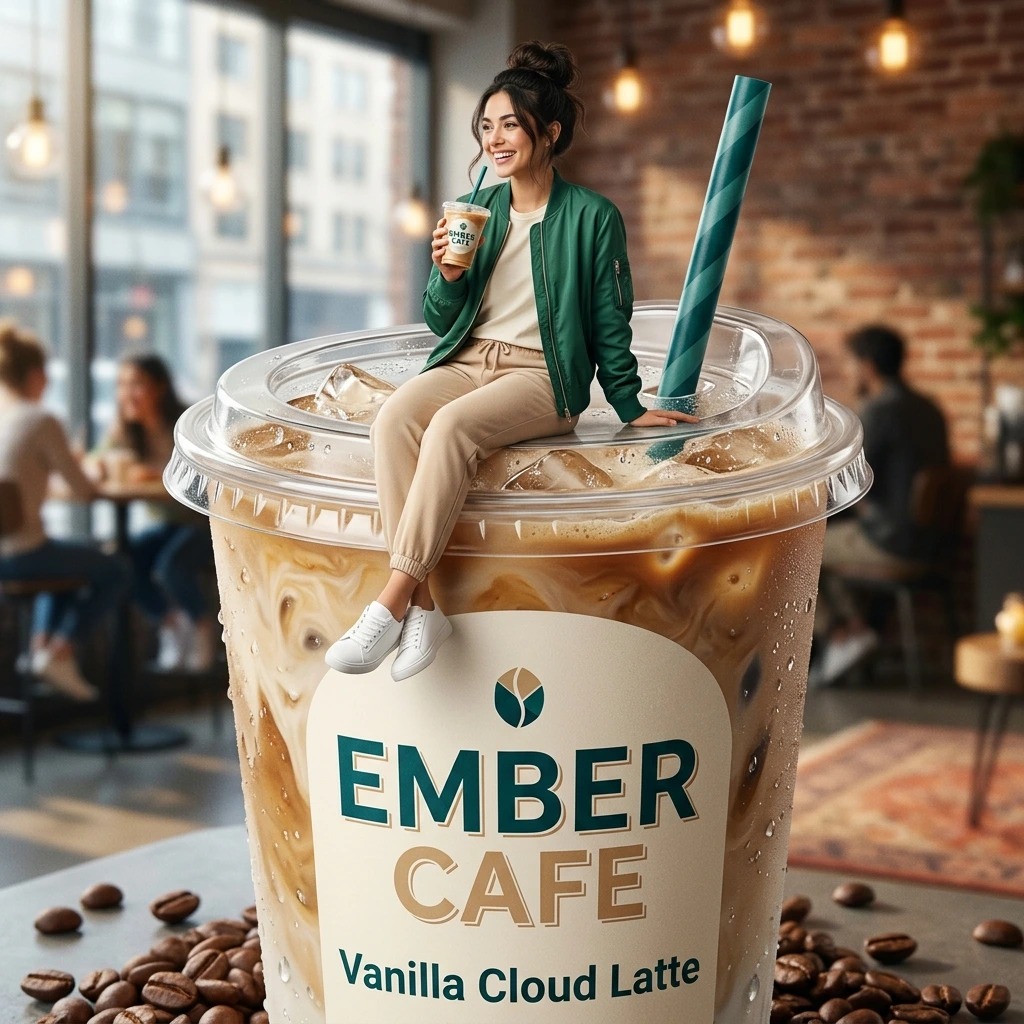
The first prompt asked for a surreal commercial scene for a fictional iced coffee brand named EMBER CAFE, with the product name Vanilla Cloud Latte. The prompt included a stylish woman sitting on a giant iced coffee cup, a cafe environment, condensation, ice, coffee swirls, coffee beans, and warm campaign lighting.
This is not a plain ecommerce packshot. It is a creative product advertising test: can the model make a fictional product feel like a campaign image while keeping the label readable and the product material believable?
| GPT image 2 | Nano-Banana-2 |
|---|---|
 |
 |
Coffee Ad Scorecard
| Dimension | GPT image 2 | Nano-Banana-2 | Notes |
|---|---|---|---|
| Brand safety | 4.6 | 4.5 | Both used the fictional EMBER CAFE direction and avoided real coffeehouse marks. |
| Campaign impact | 4.8 | 4.3 | GPT image 2 feels more like a polished product campaign hero. |
| Lifestyle realism | 4.3 | 4.7 | Nano-Banana-2 feels more like a real cafe scene. |
| Label readability | 4.6 | 4.7 | Both labels are readable. Nano-Banana-2 makes the large product label especially prominent. |
| Product material realism | 4.5 | 4.6 | Both handle ice, coffee swirls, lid, condensation, and cup surfaces well. |
| Ecommerce usefulness | 3.7 | 3.8 | Useful for ad creative, but not pure ecommerce packshot material. |
| Video-readiness as first frame | 4.7 | 4.4 | GPT image 2 has stronger campaign motion cues; Nano-Banana-2 is more stable and grounded. |
What GPT image 2 Did Better
GPT image 2 produced the stronger campaign image. The oversized cup is centered, the model pose is clean, the label is readable, and the warm window light gives the scene a premium advertising feel. It looks like a product campaign hero that could sit at the top of a landing page or become the first frame of a short image-to-video ad.
The product also feels dominant. The viewer understands the subject quickly: EMBER CAFE, Vanilla Cloud Latte, a cold coffee product with a premium cafe mood.
What Nano-Banana-2 Did Better
Nano-Banana-2 produced the more natural lifestyle scene. The cafe interior, brick wall, background people, and product placement make the image feel more grounded. The large EMBER CAFE label is also very easy to read.
The tradeoff is that the image feels less like a polished luxury campaign poster. It is more practical and lifestyle-oriented, but less dramatic.
Coffee Ad Takeaway
Use GPT image 2 when you need a polished campaign still, a landing-page hero, or a strong first frame for image-to-video. Use Nano-Banana-2 when you want a product lifestyle scene that feels more natural, local, and editorial.
Case 2: Skincare Product Packshot
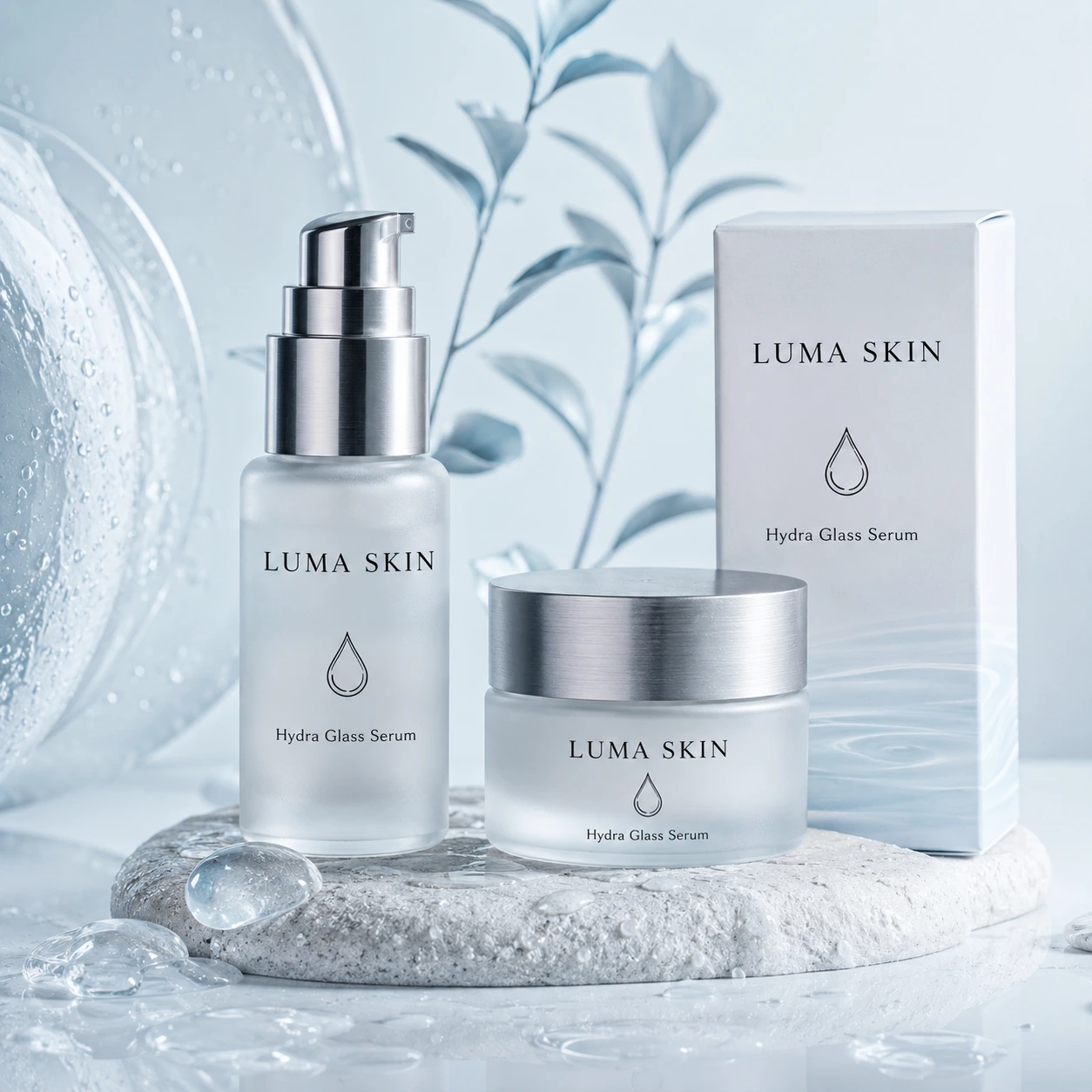
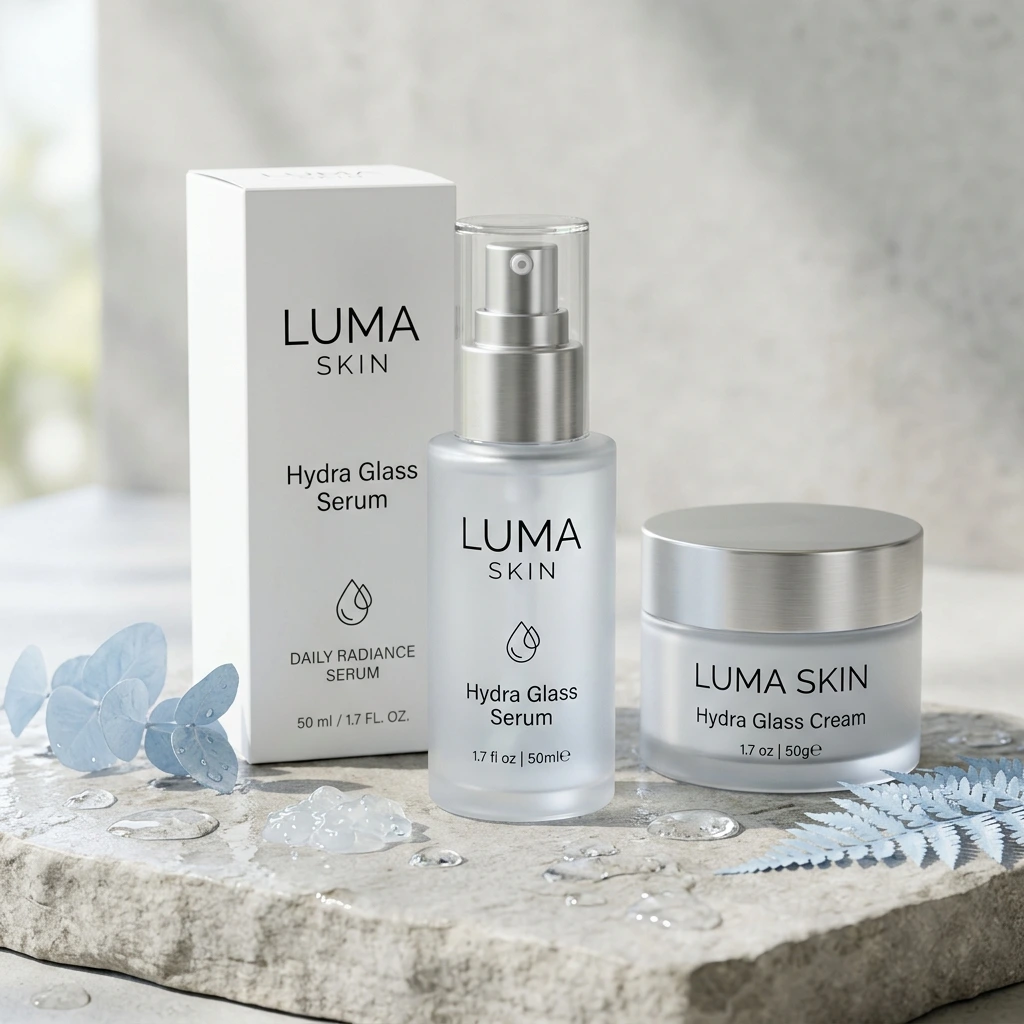
The second prompt tested a fictional skincare brand named LUMA SKIN, with a product named Hydra Glass Serum. This case is closer to ecommerce product photography: no human model, clean product arrangement, readable labels, bottle, jar, and box.
This is the more important case for product-page use because it tests whether the model can keep packaging, label text, product shapes, and material surfaces stable.
| GPT image 2 | Nano-Banana-2 |
|---|---|
 |
 |
Skincare Product Scorecard
| Dimension | GPT image 2 | Nano-Banana-2 | Notes |
|---|---|---|---|
| Product set completeness | 4.7 | 4.8 | Both show bottle, jar, and box. Nano-Banana-2 separates product types more clearly. |
| Label readability | 4.7 | 4.8 | Both are strong. Nano-Banana-2 has more readable secondary product details. |
| Label consistency | 4.3 | 4.1 | GPT image 2 repeats serum on the jar; Nano-Banana-2 adds inconsistent box copy. |
| Material realism | 4.8 | 4.5 | GPT image 2 has stronger frosted glass and metal-reflection polish. |
| Ecommerce usefulness | 4.4 | 4.8 | Nano-Banana-2 is more practical as a product listing or PDP visual. |
| Campaign impact | 4.8 | 4.2 | GPT image 2 feels more premium and article-hero ready. |
| Brand safety | 4.9 | 4.9 | Both use fictional branding and avoid real marks. |
What GPT image 2 Did Better
GPT image 2 created a more premium beauty campaign image. The frosted glass bottle, brushed metal pump, silver jar cap, soft blue palette, water droplets, and reflective surface all feel carefully styled. It is the stronger image if the goal is a luxury skincare landing page, article hero, or social ad.
The labels are also strong. LUMA SKIN and Hydra Glass Serum are readable on the bottle and box. The main weakness is product-type separation: the cream jar also reads like another serum product, which may be less accurate for an ecommerce page.
What Nano-Banana-2 Did Better
Nano-Banana-2 created the more practical ecommerce image. The product set is centered, easy to inspect, and less visually busy. The bottle, jar, and box are clearly separated, and the label text is highly readable.
It also differentiates the products better: Hydra Glass Serum appears on the bottle, while Hydra Glass Cream appears on the jar. That is useful for a product bundle image. The weakness is consistency: the box includes Daily Radiance Serum, which was not part of the original product direction.
Skincare Takeaway
Use GPT image 2 when the image needs to feel premium, glossy, and campaign-ready. Use Nano-Banana-2 when the image needs to be inspected like an ecommerce product image, with clear packaging and readable details.
Product Prompt Brand-Safety Lesson
This test also surfaced a practical prompt lesson: famous real-brand names are risky shortcuts when creating product advertising images for public content.
It is tempting to write prompts that imitate a famous coffeehouse, sportswear brand, or luxury beauty brand. That may produce strong images, but it can also produce logos, trade dress, packaging shapes, and visual systems that are too close to real brands.
For product images that may be shared publicly or used in ads, a safer structure is:
- fictional brand named [BRAND_NAME], product name [PRODUCT_NAME]
- fictional brand only, no real brand logos, no existing brand marks, no trademarked symbols, no real company names
This gives the model a brand target without pulling in a real company's identity.
Which Model Should You Use?
Choose GPT image 2 if you need:
- a premium product campaign image
- a polished landing-page hero
- stronger cinematic lighting
- better luxury skincare atmosphere
- a strong image-to-video first frame
Choose Nano-Banana-2 if you need:
- more practical ecommerce product images
- readable product labels
- grounded lifestyle scenes
- clean product inspection
- less overproduced product styling
Recommendation
For most product creators, the strongest workflow is not choosing only one model.
Use GPT image 2 when you need the first visual to sell the mood: campaign hero, social ad, product launch image, or video opening frame. Use Nano-Banana-2 when you need the product to feel grounded, readable, and closer to a product-page image.
If the product has important labels, packaging copy, or bundle details, compare both models before using the image. The best-looking image is not always the most useful product image.
FAQ
Which model is better for AI product photography? GPT image 2 is better for premium campaign-style product photography. Nano-Banana-2 is better for practical ecommerce-style product images where label readability and product inspection matter more.
Which model is better for ecommerce product images? In the skincare test, Nano-Banana-2 was more useful for ecommerce because the bottle, jar, and box were easier to inspect and the product labels were highly readable.
Which model is better for product ads? GPT image 2 is stronger for product ads that need a polished hero image, cinematic lighting, and luxury campaign impact.
Can AI image models create readable product labels? Yes, but labels still need review. Both models created readable fictional labels in this test, but each also introduced small consistency issues.
Should I use real brand names in product prompts? For public commercial content, it is safer to use fictional brands. Real brand references can lead the model to generate logos, packaging, or visual identity that resembles existing companies.
Can these images be used as video first frames? Yes. The coffee lifestyle ad is especially suitable for image-to-video because it has clear motion cues: steam, coffee beans, window light, straw movement, and subtle camera push-in potential.
Copy-Ready Prompt Formula
Use this structure for a safer product photography prompt:
- Commercial product photography for a fictional brand named [BRAND_NAME], product name [PRODUCT_NAME].
- Show [product set] with readable labels, realistic materials, accurate shadows, crisp product edges, balanced spacing, and a [background style].
- Add: fictional brand only, no real brand logos, no existing brand marks, no trademarked symbols, no real company names, no watermark, no gibberish text, no distorted label.
For lifestyle product ads, add: premium product lifestyle advertising scene, natural human pose, realistic product scale, cinematic lighting, shallow depth of field, square 1:1 composition.
For ecommerce product pages, add: clean product arrangement, centered composition, product page hero image, readable packaging, accurate product shape, no extra bottles, no deformed packaging.